

Securing private keys is fundamental to owning bitcoin. As the ecosystem matures, collaborative custody is gaining traction for its ability to eliminate single points of failure. This is critical when managing risk for significant bitcoin wealth held by individuals and organizations. By distributing responsibility across multiple keys, collaborative custody minimizes risks associated with theft and loss of individual keys. Within this framework, a new type of institutional security partner is emerging: a key agent.
A “key agent” is an entity tasked explicitly with securing and operating one of the multiple keys within a collaborative custody framework. There are multiple different types of key agents, from professionals serving enterprise clients to peer-to-peer key agency among friends and family.
Key agency has existed informally for many years, with companies like Unchained, Coincover, Kingdom Trust, BitGo, Nunchuk, and Casa acting not as custodians, but as collaborators in their clients’ custody. Bitcoin self-custody enthusiasts, too, have been securing keys for their family and friends in multisignature setups for many years.
Where a typical bitcoin custodian is solely responsible for securing a majority or all of the keys to their clients’ bitcoin, a key agent is responsible for a minority of the keys. This allows you to include a team of experts in the security of your bitcoin without making that team a critical point of failure. In contrast, a custodian can lose their clients’ bitcoin through a variety of attack vectors. And many have.
So what then is a key agent doing? Why are they valuable? And how is each key agent different? This article outlines the differences between a bitcoin custodian and a bitcoin key agent, why you should consider hiring key agents, and how different key agents may structure access to their key.
Why you need bitcoin key agents and not a custodian
As of this article’s publish date, over $7.7 billion of bitcoin and crypto-securities has been lost due to custodian and exchange hacks. The model where a centralized custodian secures client funds exclusively has been repeatedly demonstrated to be insufficient with immutable, programmable money built for the internet.
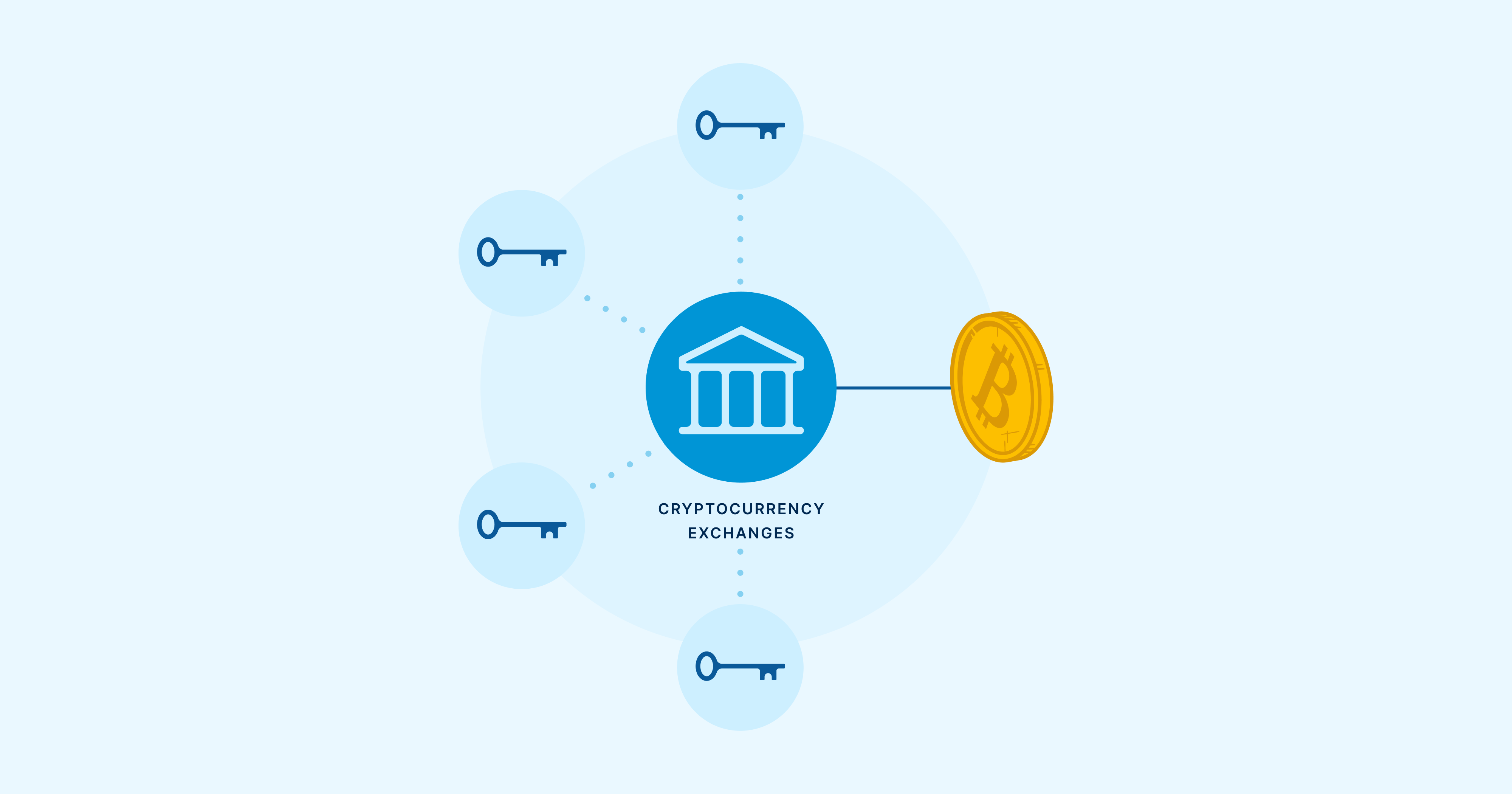
Instead of centralizing all control with a single party, bitcoin’s programmability allows multiple key agents to collaborate in the custody of bitcoin. Individuals and organizations can choose to control all of the keys to their bitcoin, or can choose to include key agents to participate in the security of bitcoin, with multiple trade-offs in between.
Holding a majority of your keys and inviting a minority of key agents in a collaborative custody arrangement gives you the benefits of permissionless access to your wealth, but with the benefit of a technical partner who can assist if anything goes wrong. There’s nothing that your partner can do to abscond with or lose your wealth if you have a majority of the keys.
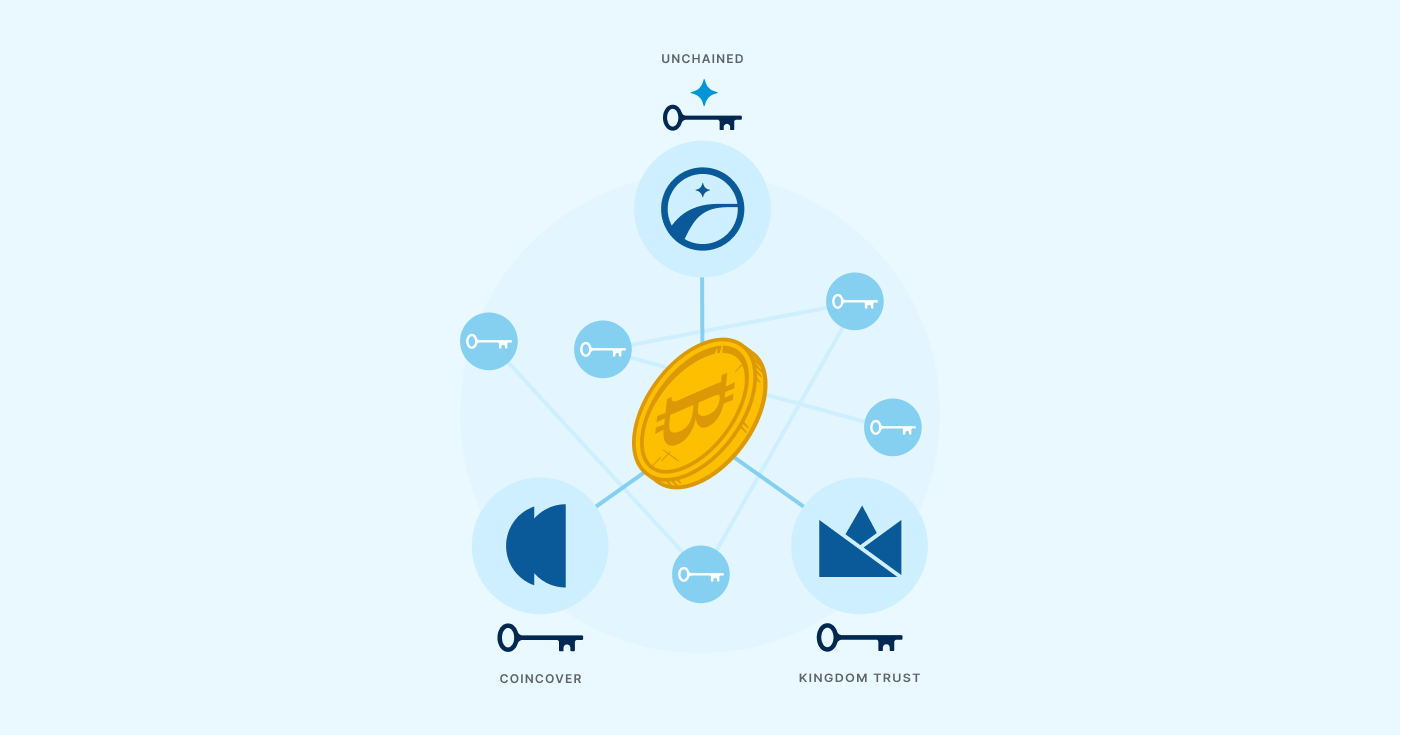
On the other hand, certain enterprise organizations may face internal policies, operational constraints, or regulatory considerations that limit who within the organization can directly access keys. In these cases, responsibility for keys may be distributed across multiple internal or external key agents to ensure no single party controls funds unilaterally. Importantly, even in these arrangements, collaborative custody ensures that no single agent can move funds alone.
The centralized custodial model is made obsolete by collaborative custody arrangements that eliminate single points of failure while preserving security and control.
Markets for key agents
Key agents typically serve different markets, and each of these segments will look for different levels of operational security and accreditation to feel confident that their key agent is following best-practices for key security.
Enterprise
A key agent serving enterprise clients is typically a larger company with rigorous key management operations that focuses on key security as a primary function of its business. These agents are known for enterprise-grade controls and certifications, such as SOC I & II, ISO, NIST, and Cyber Essentials.
Key agents serving enterprise clients are often qualified custodians, meaning they operate under more stringent regulatory frameworks and higher operational standards. They may also carry insurance related to key management, though coverage details vary and should always be reviewed carefully.
Examples of enterprise key agents include companies like Unchained, Coincover, BitGo, and Kingdom Trust. Enterprise key agents typically charge based on assets secured and often have higher minimum fees than retail-focused services.
Small business
Key agents serving small businesses or retail clients in a professional capacity are often startups, registered investment advisors, or law firms that hold keys on behalf of clients as part of broader services. These agents may not be qualified custodians and may lack the certifications required at the enterprise level.
While their operational controls may be lighter, these key agents can be a good fit for individuals or small organizations securing personal savings or working with trusted advisors.
Peer-to-peer
Peer-to-peer key agency allows friends or family members to collaborate in securing bitcoin using multisignature setups. While flexible and accessible, this approach does not provide the same assurances as working with professional key agents.
Peer-to-peer key agents are often experienced bitcoiners using hardware wallets. This model can work well for smaller amounts of wealth, but for generational wealth or institutional use, professional key agents provide stronger guarantees and long-term continuity.
How key agents work and how they’re different from custodians
Custodial platforms typically resemble traditional financial accounts. Users log in with credentials such as email addresses, passwords, and two-factor authentication, while the custodian controls the underlying private keys and executes transactions on the client’s behalf.
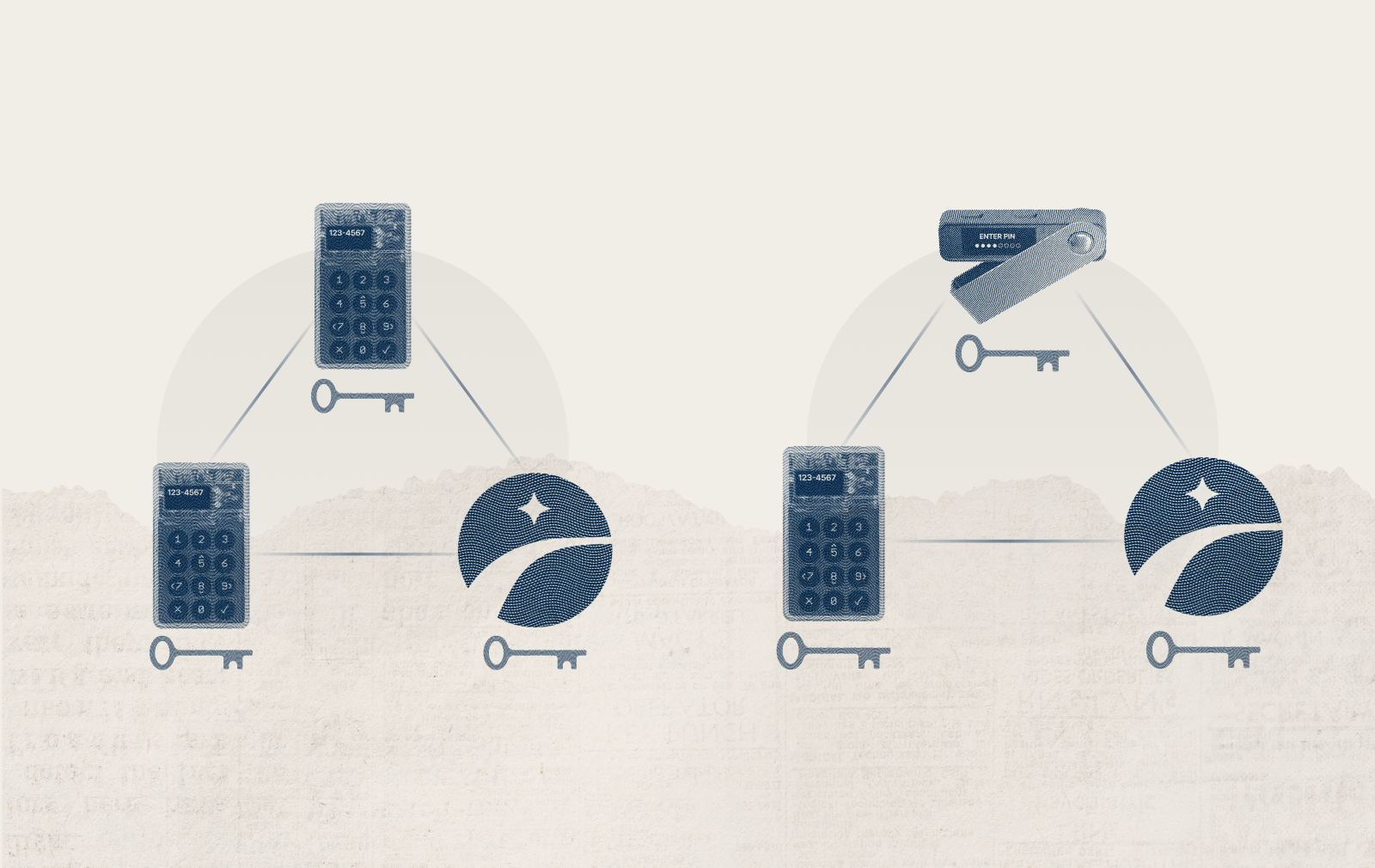
Collaborative custody works differently. Clients participate directly in the creation of a multisignature wallet, with each key held independently by the client or a chosen key agent. Transactions require collaboration between the required number of key holders, ensuring shared control.
On collaborative custody platofrms, clients build multisignature vaults in which they retain direct control of their own keys while optionally including institutional key agents. This design ensures that clients are never solely dependent on a single company for access to their bitcoin.
Unchained as a key agent
Unchained is building one of the largest collaborative custody networks, supporting both private wealth and business clients through multisignature custody models that emphasize client control.
Unchained participates as a key agent in collaborative custody arrangements that emphasize client control and transparency. Its platform is designed for multisignature custody models where clients retain control of a majority of the keys, distinct from fully delegated custody structures offered Gannett Wealth Advisors.
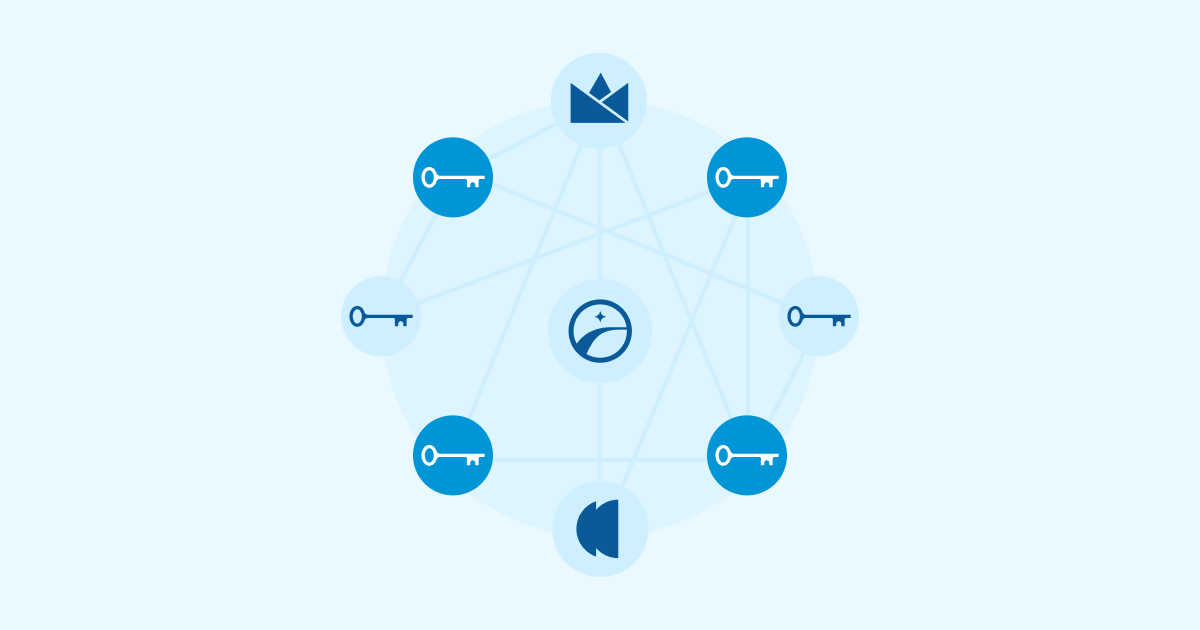
Unchained provides an institutional-grade key that can be included in a multisignature quorum where clients retain control of a majority of the keys. Over more than six years of uninterrupted operation, Unchained has invested millions of dollars and dedicated thousands of expert hours to securing and managing its key infrastructure, helping safeguard and transact billions of dollars worth of bitcoin.
Key agency in bitcoin is a newer concept, but it is the only way to secure bitcoin without introducing single points of failure from a single company or person. By hiring key agents, you can ensure that your bitcoin is secure for generations and that your heirs will be able to recover bitcoin with the help of an expert when the time comes.
.png)
.png)
.png)