Unchained

The Pattern

Every transformative technology follows a familiar path—from experiment to integration. Bitcoin is no different. Scroll to explore how.

The Pattern

The New Rules of Bitcoin

Every transformative technology follows a familiar path—from experiment to integration. Bitcoin is no different. Click the boxes to explore how.

Printing Press1440s–1700s

Every copy already sold

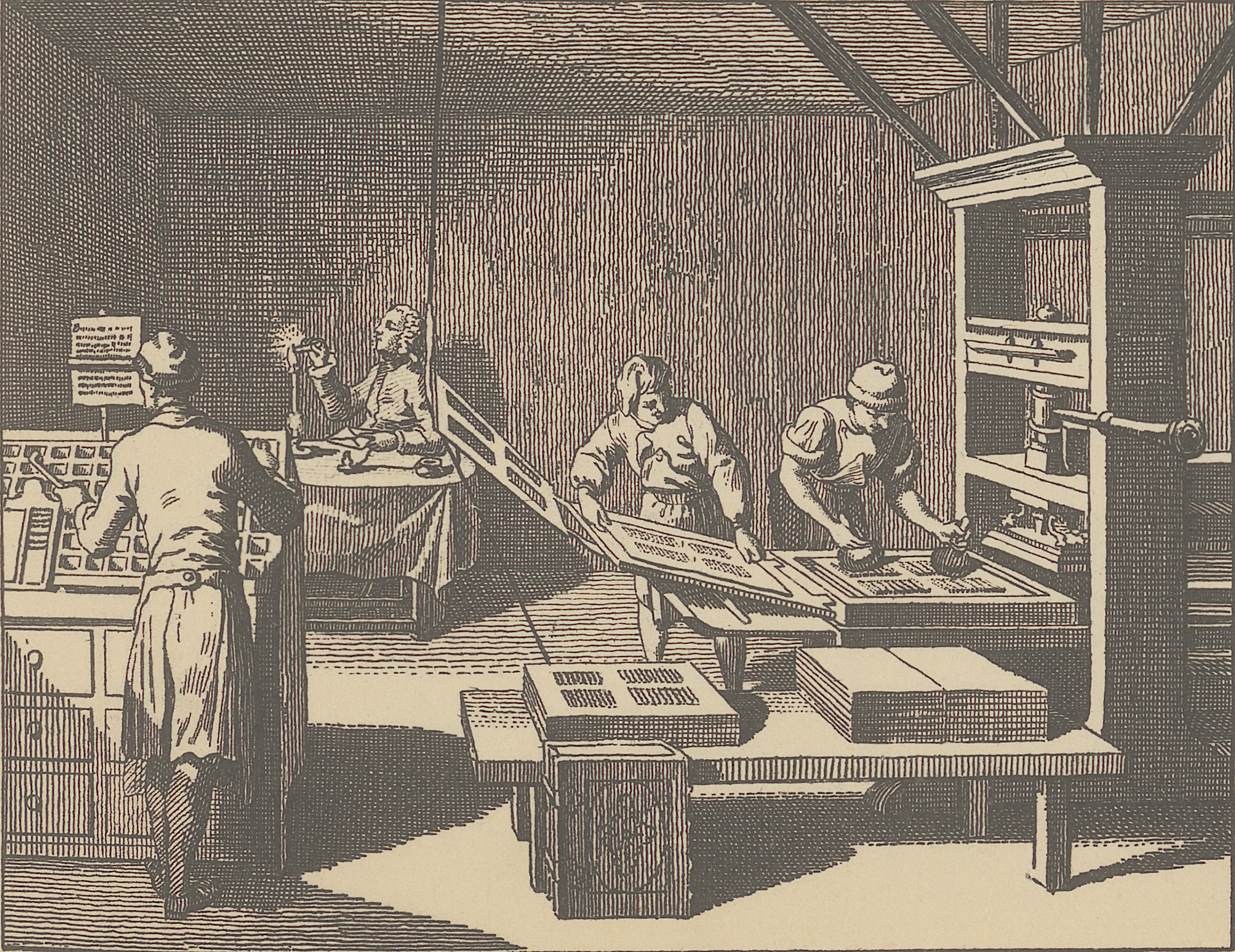
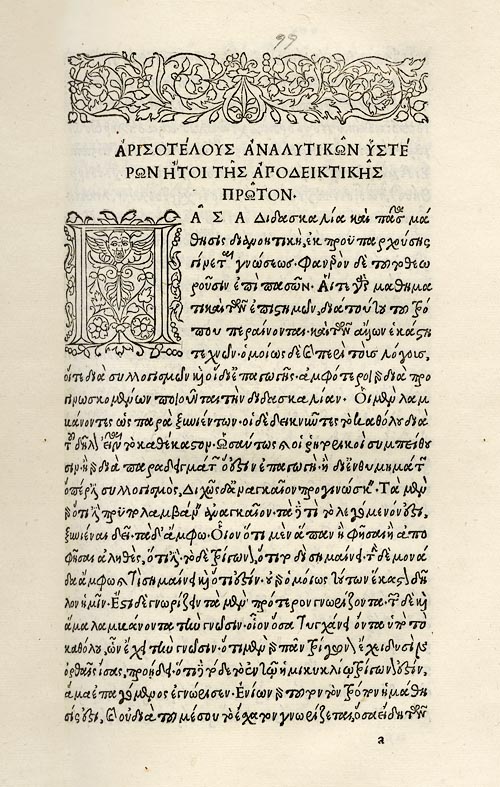
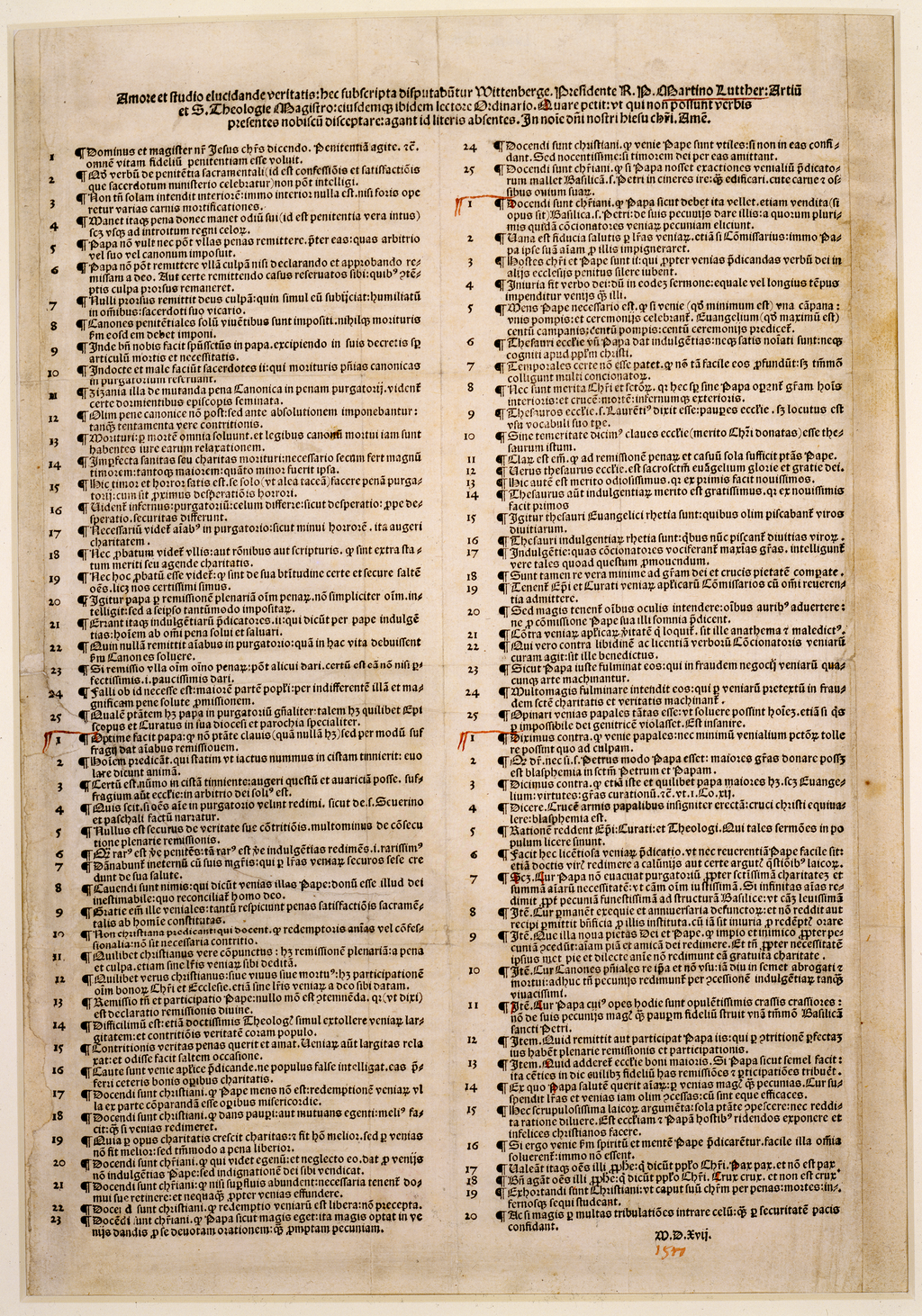
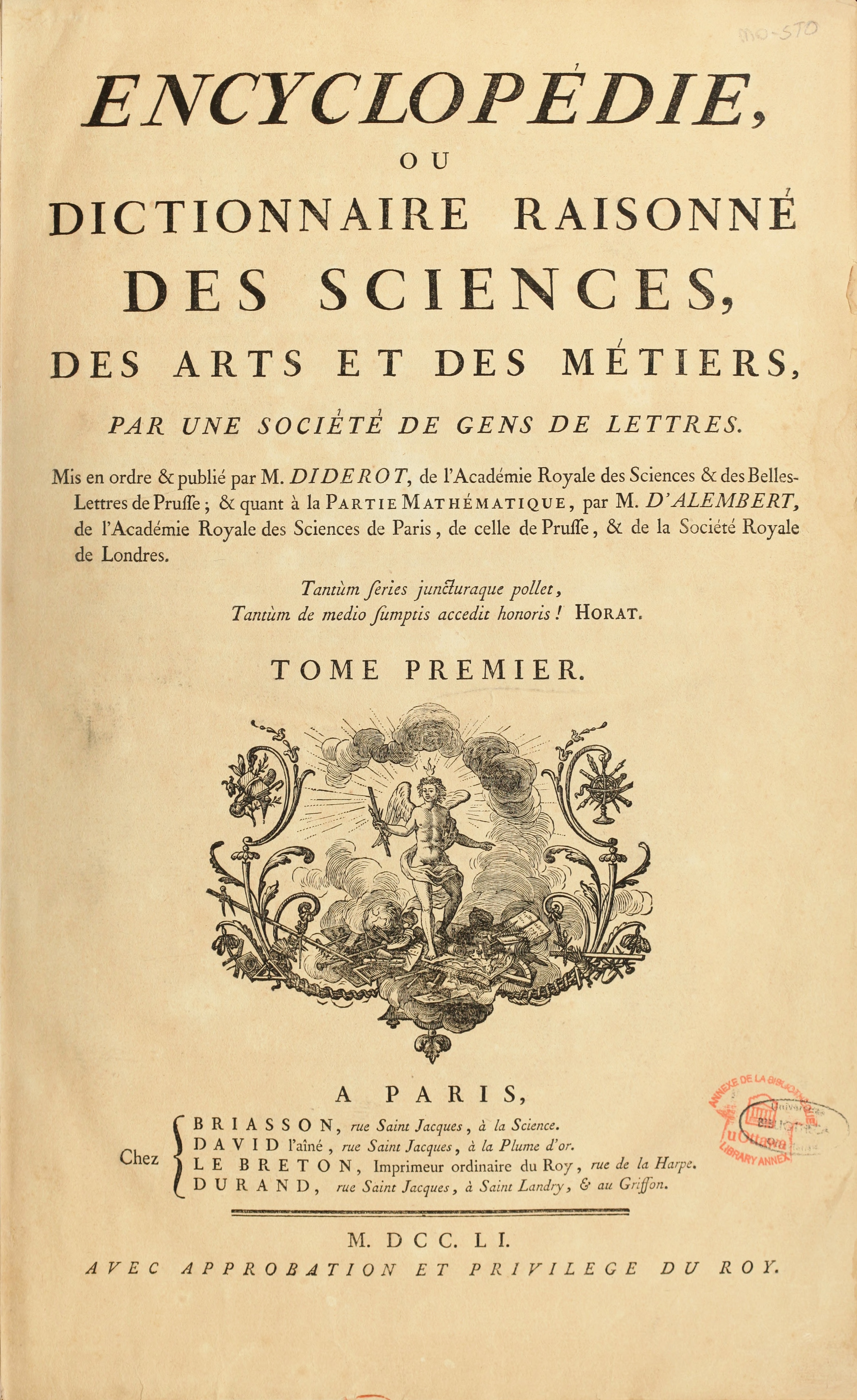
The future Pope Pius II wrote from Frankfurt: the letters were perfect, and every copy was gone.

Experimentation & Fear

Fifty years, twenty million books

The price of a book fell 80% in a single generation.

Early Adoption

The book trade

Postal routes, catalogs, and book fairs.

Infrastructure

The morning paper

Three centuries after Gutenberg, printing had vanished into daily life.

Integration
Electricity1880s–1940s

The war of currents

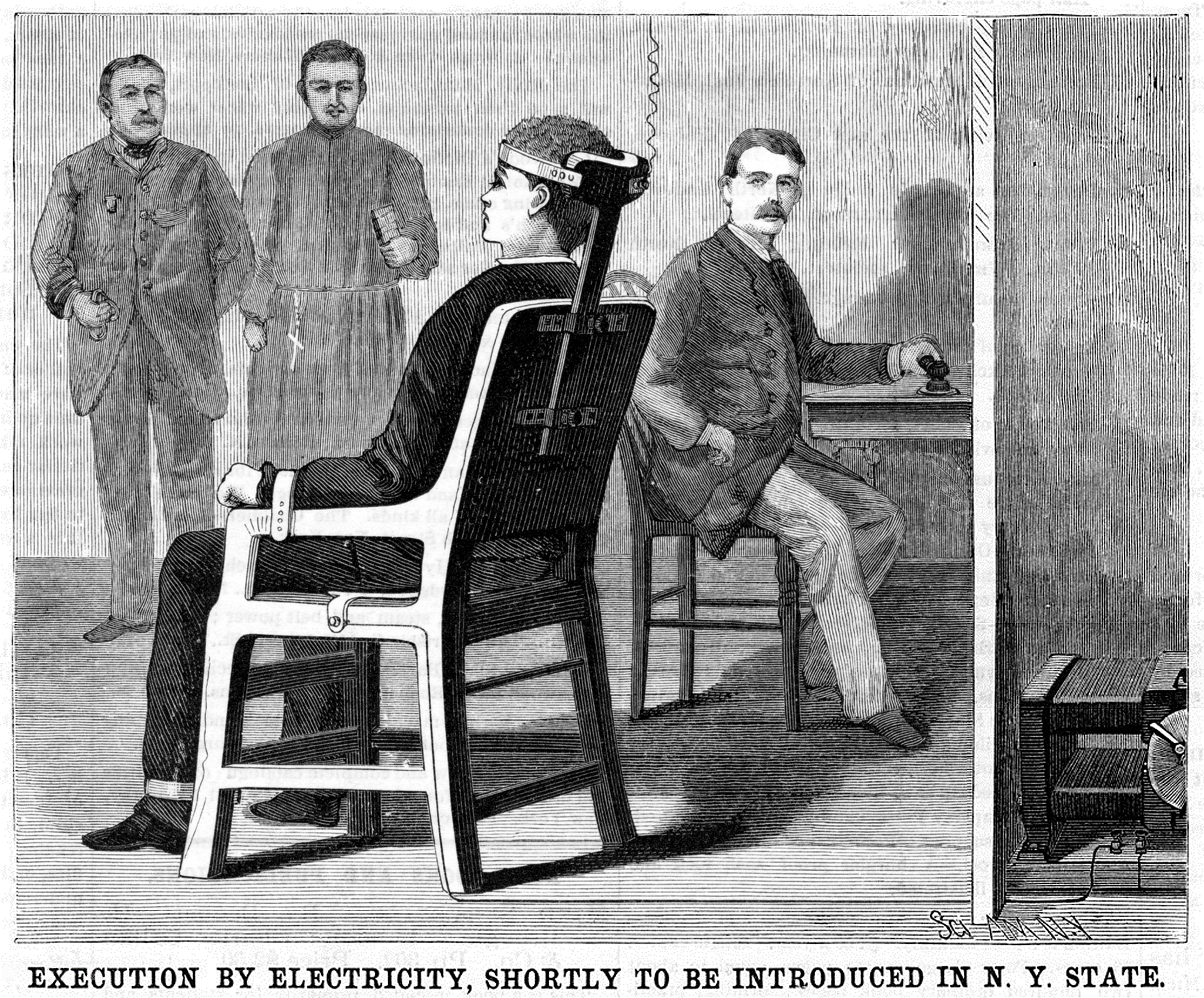
Edison fueled fear to protect his stake in direct current.

Experimentation & Fear

Power of your own

The wall socket gave every family its own source of power.

Early Adoption

The machine behind the bulb

The grid—not the light bulb—was the real invention.

Infrastructure

Invisible until the lights go out

55 million lost power in 2003—making electricity noticed.

Integration
Internet1990s–2010s

The moral panic

Time claimed 83.5% of the internet was porn.

Experimentation & Fear

You've got mail

The dot-com era got the future right and the present spectacularly wrong.

Early Adoption

Cables under the ocean

The dot-com boom busted, but the cables survived.

Infrastructure

When Cloudflare sneezes

A configuration change took down the web for hours.

Integration
Bitcoin2009–Present

Drug money

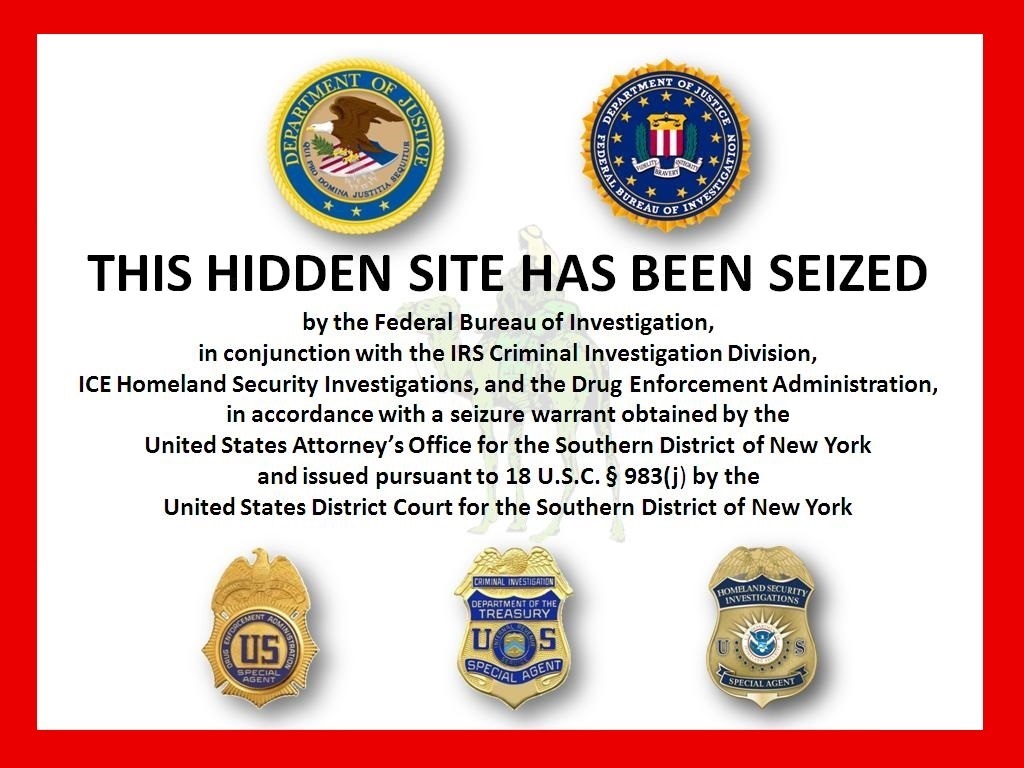
The FBI shuts down the drug marketplace.

Experimentation & Fear

Bitcoin breaks $10,000

A parabolic move brings bitcoin into the spotlight.

Early Adoption

Wall Street arrives

The SEC approved spot bitcoin ETFs.

Infrastructure
Still unfolding
Unchained

The Pattern

Every transformative technology follows a familiar path—from experiment to integration. Bitcoin is no different. Scroll to explore how.

Stage 01

Experimentation & Fear

Every breakthrough starts with experimentation, but with experimentation comes uncertainty and fear.

Printing Press

Every copy already sold

In March 1455, Enea Silvio Piccolomini, who would later become Pope Pius II, wrote to Cardinal Carvajal about something he'd seen at the Frankfurt fair: sample pages from Gutenberg's Bible, printed so cleanly that Carvajal could read them without his spectacles. Buyers had claimed the whole edition before the printing was even finished. Piccolomini was trying to get his hands on a copy and doubted he could. Within a century, it had become the instrument by which ordinary readers could check the Church's claims against the text itself.

14401500
Electricity

The War of Currents

Thomas Edison spent the late 1880s trying to convince the public that alternating current was deadly. His people staged electrocutions of stray animals for the press, and lobbied hard to make AC the current of choice for the newly-invented electric chair. The chair's first real-world use in 1890 didn't go as planned, and the story traveled fast. While Edison wanted Americans to recoil from AC, what he accidentally achieved was a demonstration of its force.

Electricity is long-term thinking

While the public was sidetracked with fears of death by electricity, George Westinghouse was thinking in decades. His bet on AC—despite being mocked, feared, and legislated against—became the foundation of every power grid on earth.

18821910
Internet

The moral panic

Time ran its "CYBERPORN" cover in the summer of '95, claiming that 83.5% of online content was pornographic. The study fell apart under scrutiny, and the real figure came in below one percent. The cover did its work regardless. Throughout the late '90s, the internet was cast as a breeding ground for predators and scam artists, but the internet was just a few years away from demonstrating its disruptive potential for every sector of the economy.

The internet is not what you think

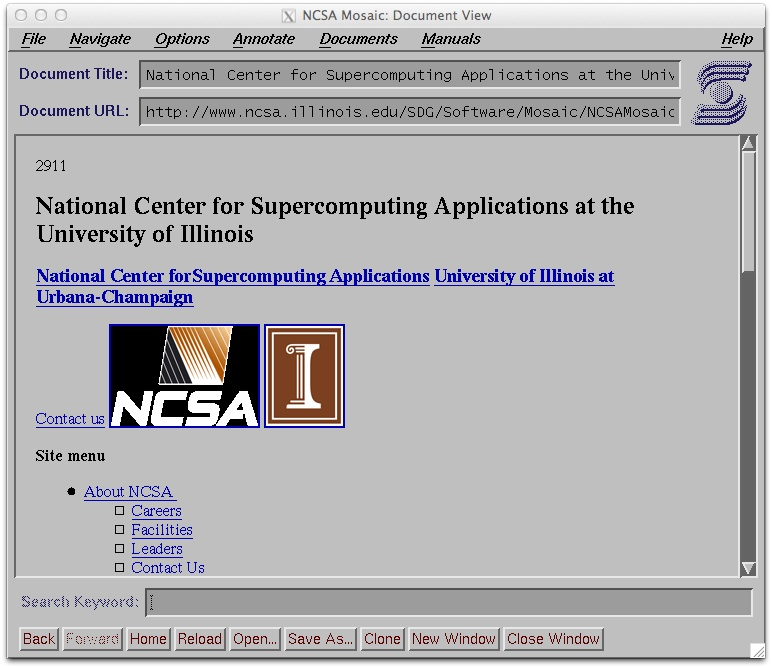
The general population saw danger. A handful of engineers in Geneva and Urbana (Tim Berners-Lee, Marc Andreessen, respectively) saw an addressing system for all human knowledge. This disparity took more than a decade to resolve.

19902002
Bitcoin

Drug money

The FBI seized Silk Road in October 2013. The marketplace had moved more than 1.2 billion dollars in transactions, almost all of it settled in bitcoin, and its founder Ross Ulbricht was arrested at a public library in San Francisco with his laptop open. For skeptics, the bust was the proof text they had been waiting for. Bitcoin was the criminal currency they had always said it was.

Bitcoin is true ownership

Mt. Gox was a custody failure. So was FTX, a decade later. Every exchange collapse has proven the same point: not your keys, not your bitcoin.

20092015
1450
1650
1800
1900
2000
2025

Non-linear scale — recent years use more width

Stage 02

Early Adoption

The first users are never who you expect. Adoption begins at the margins — where the need is greatest and the gatekeepers weakest.

Printing Press

Fifty Years, Twenty Million Books

By 1500, Europe had produced somewhere between 15 to 20 million printed volumes from over a thousand print shops. Venice alone housed more than 150 printers. The price of a book fell by roughly 80% in a single generation, reorganizing who could read and think for themselves.

Printing Press is true ownership

Before Aldus Manutius' pocket-sized book from Venice, knowledge lived only in monasteries and palace libraries. After, individuals were able to own and carry personal ownership of knowledge, a privilege we certainly take for granted.

14701550
Electricity

Power of Your Own

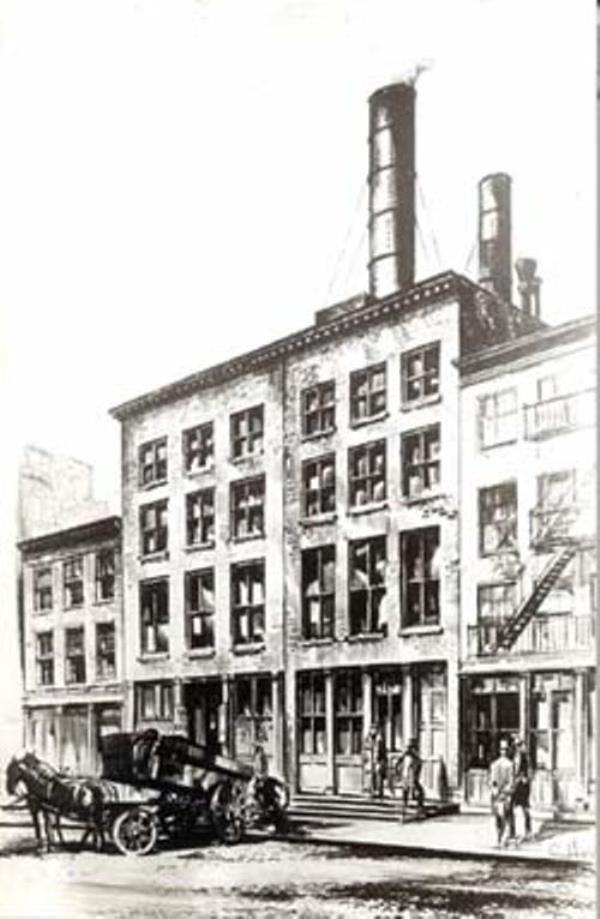
The Pearl Street Station power plant came online in lower Manhattan in 1882 with 85 customers on its books. Within 50 years, half of American households had current running through their walls. The shift from communal gas lighting to individual household current was one of the most profound domestic transformations in modern history.

Electricity is not what you think

Pearl Street looked like a lighting company. Edison sold it as a replacement for gas lamps, priced per bulb, and the Times filed the 1882 launch under "Miscellaneous City News." It was actually the first electric utility—the first metered service.

18821935
Internet

You've Got Mail

In 1993, Marc Andreessen's Mosaic browser brought the web to ordinary people. By 1995, Netscape went public—the stock surged 108% on its first day, valuing a company with $16 million in revenue at $2.9 billion. AOL grew from 200,000 subscribers in 1992 to 25 million by 2000. Pets.com, Webvan, and hundreds of startups raised billions. They were right about the premise. Most were wrong about the timing.

The internet is long-term thinking

Amazon understood the innovation at a fundamental level, and was willing to absorb a decade of losses, a ninety-percent drawdown, and relentless skepticism to build something that would still be standing on the other side.

19932002
Bitcoin

Bitcoin Breaks $10,000

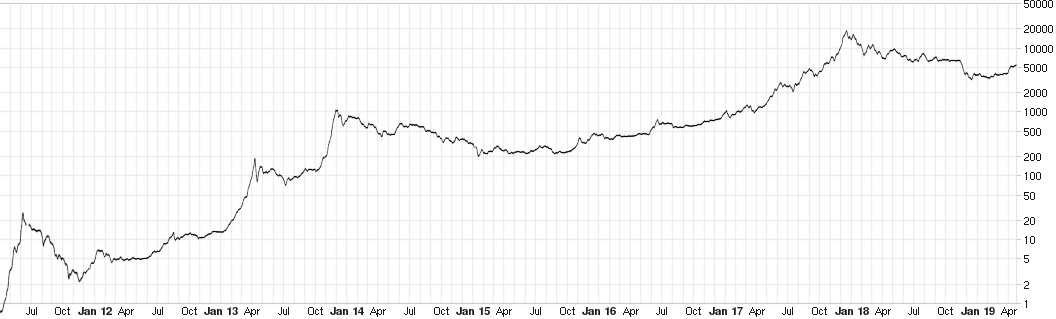
In late 2017, bitcoin crossed $10,000 for the first time. Major exchanges became the top downloaded apps on Apple's App Store. CNBC ran hourly price tickers. Initial Coin Offerings raised an estimated $5–6 billion in a single year. The 2017 run was the moment bitcoin entered mainstream consciousness.

Bitcoin is long-term thinking

Bitcoin has crashed more than 50% a dozen times. Each crash was front-page news. Each recovery happened without fanfare. Every market cycle, more bitcoin moved into the hands of people who understood what they held.

20152023
1450
1650
1800
1900
2000
2025

Non-linear scale — recent years use more width

Stage 03

Infrastructure

The real revolution is never the invention. It’s the system built around it — the grid, the network, the protocol — that changes everything.

Printing Press

The Book Trade

By the mid-1500s, printing had grown from one workshop in Mainz into the continent's first industry of ideas. Frankfurt served as the meeting ground, and publishers from Venice, Paris, and Basel made the pilgrimage each year to trade catalogs. In 1564 the fair began issuing the Messkatalog, a systematic register of what was available to buy. Postal routes connecting printing centers became Europe's emergent information network.

Printing Press is long-term thinking

Printed sheets of the Gutenberg Bible were shown at Frankfurt's trade fair in autumn 1454. By the 1560s, Frankfurt had become Europe's most important book fair—and despite a 300-year interruption by war and rival cities, it is again the largest on earth.

15171650
Electricity

The Machine Behind the Bulb

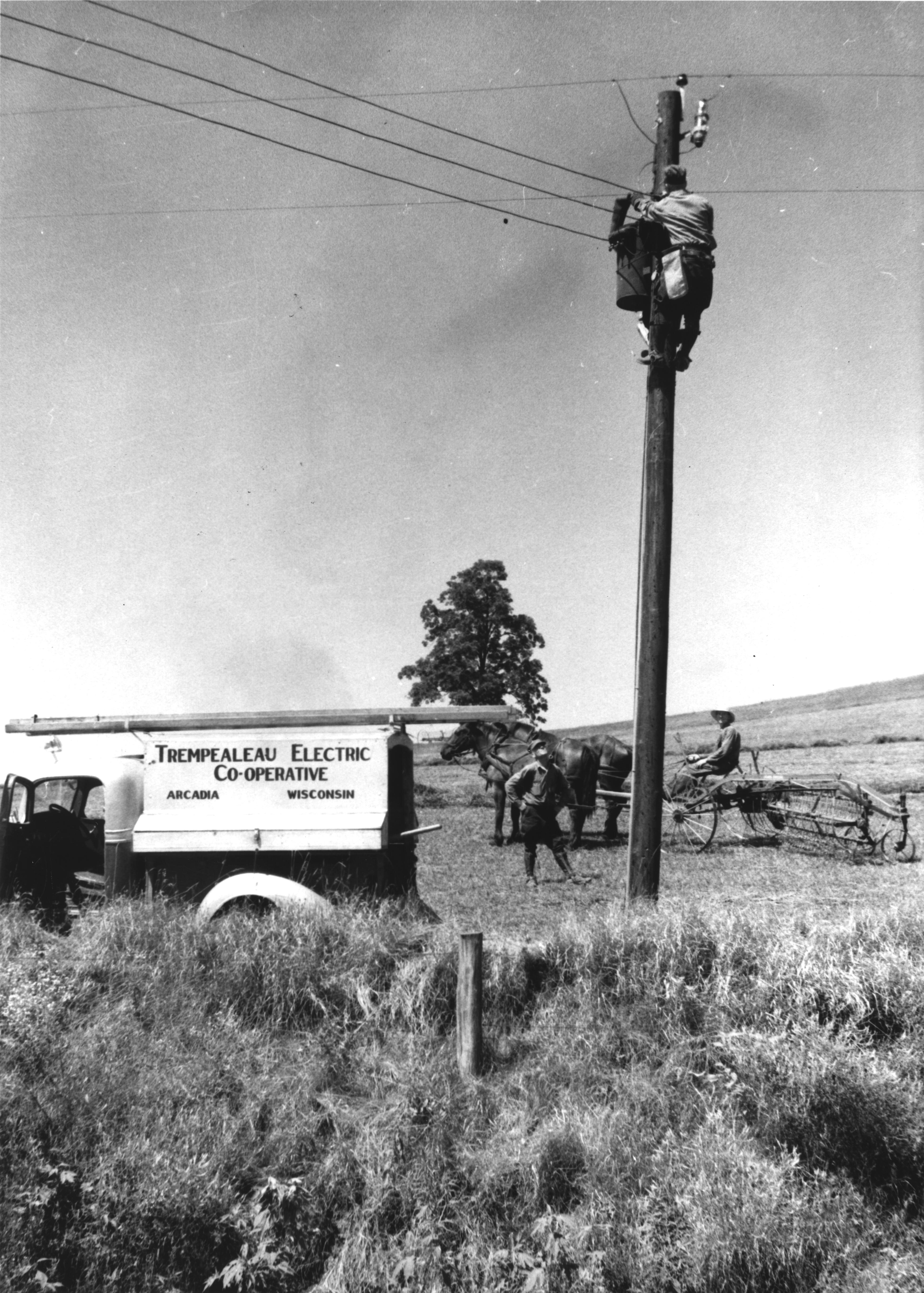
The Rural Electrification Administration began stringing wire across the American countryside in 1935. The real revolution was never the light bulb, but the vast infrastructure of generators, transformers, and transmission lines that made electricity universally available. Historian David Nye called the grid "the most complex machine ever built."

19351965
Internet

Cables Under the Ocean

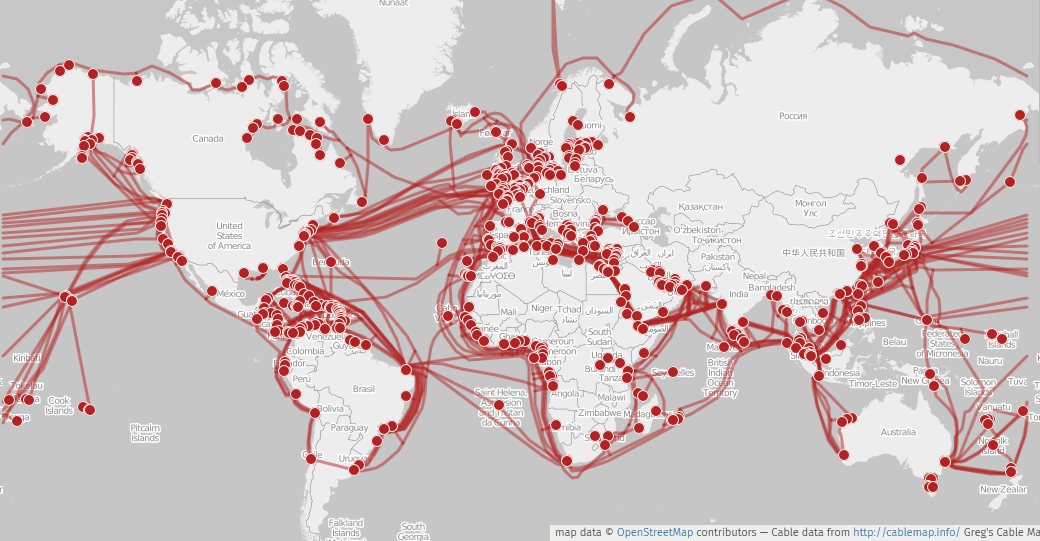
By the early 2000s, companies like Global Crossing had laid tens of thousands of kilometers of submarine fiber-optic cable across the Atlantic and Pacific. Many went bankrupt in the dot-com bust, but the cables never moved. When the time was right for streaming video and cloud computing, the infrastructure was ready to serve as the backbone of the modern web.

19962012
Bitcoin

Wall Street arrives

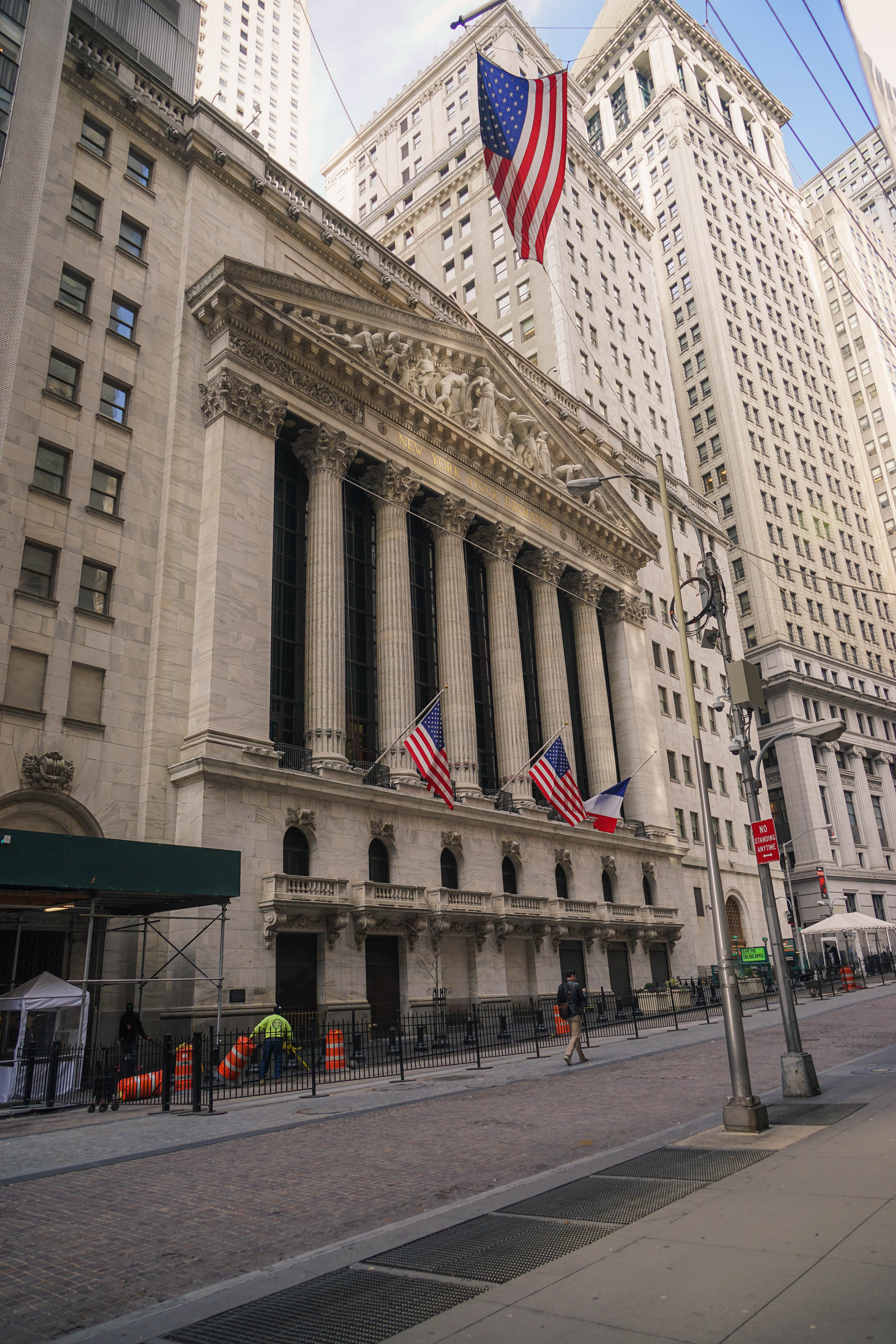
In January 2024, the SEC approved 11 spot bitcoin ETFs. Within months, they accumulated over $50 billion in assets to become the fastest-growing ETF launch in history. Fidelity, BlackRock, and other institutional managers now custody bitcoin for millions of clients.

2023present
1450
1650
1800
1900
2000
2025

Non-linear scale — recent years use more width

Stage 04

Integration

A technology succeeds when it disappears into daily life. The final stage is not triumph — it’s integration.

Printing Press

The morning paper

By the early 1700s, Londoners paid a penny to enter coffeehouses partly to read the morning papers, and The Spectator (1711) was written for a daily reading public that hadn't existed a century earlier. A few decades later, novels like Pamela (1740) and Tom Jones (1749) had readers across Europe fighting over fictional characters in letters and drawing rooms. Three centuries after Gutenberg, the technology had vanished into the experiences it made possible.

17001800
Electricity

Invisible Until the Lights Go Out

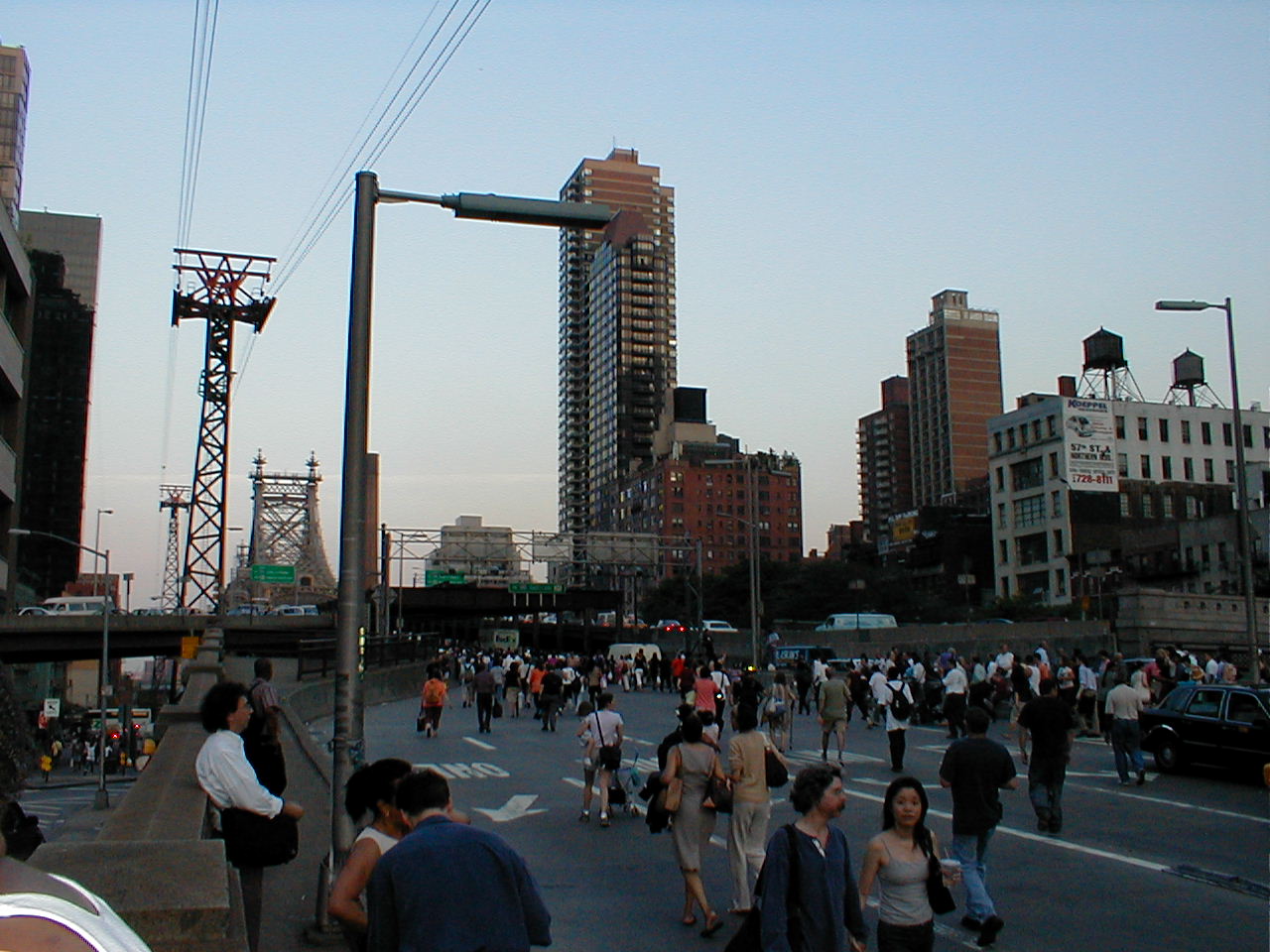
The U.S. power grid spans over 240,000 miles of high-voltage transmission lines. We notice electricity only during blackouts—the 2003 Northeast blackout left 55 million people without power and revealed just how completely invisible the technology had become.

Electricity is true ownership

For a century, renting power by the kilowatt-hour has been the norm. Solar panels and home batteries are beginning to change that. The panels on your roof generate electricity, a battery stores it, making the household its own small utility.

1960present
Internet

When Cloudflare Sneezes

In November 2025 a configuration change inside Cloudflare, which sits in front of 20% of global web traffic, took down ChatGPT, Spotify, Shopify, and X for over two hours. AWS DNS failures have disrupted thousands of companies across dozens of countries. We notice the internet only when it fails. It has become invisible infrastructure whose chokepoints are controlled by companies most people have never heard of.

The internet is true ownership

Every prior attempt at digital cash failed because it depended on trusted institutions. The open internet made a different architecture possible, and in 2008 a pseudonymous author used it to publish a protocol that needed no institution at all. The internet gave birth to bitcoin as true ownership.

2010present
BitcoinStill unfolding
1450
1650
1800
1900
2000
2025

Non-linear scale — recent years use more width

Bitcoin is entering its integration era.

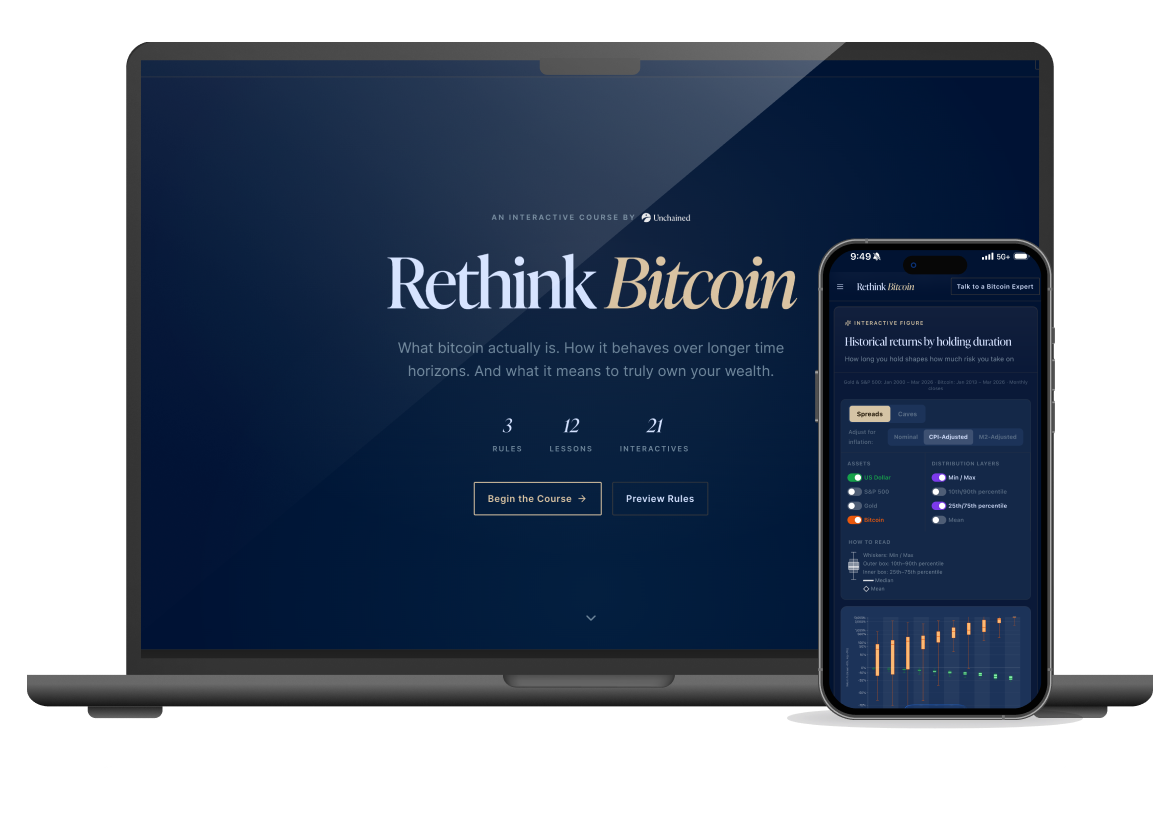
That’s why we built a free, three-part course with 12 lessons, 21 interactive tools.

By the end, you’ll understand bitcoin well enough to explain it to the skeptics in your life—and answer their hardest questions.

Rethink Bitcoin — a three-part course with 12 lessons and 21 interactive toolsFind your bitcoin blind spots